Blog
How does a composting toilet work?
Learn how composting toilets work and how they contribute to environmental protection and sustainability.
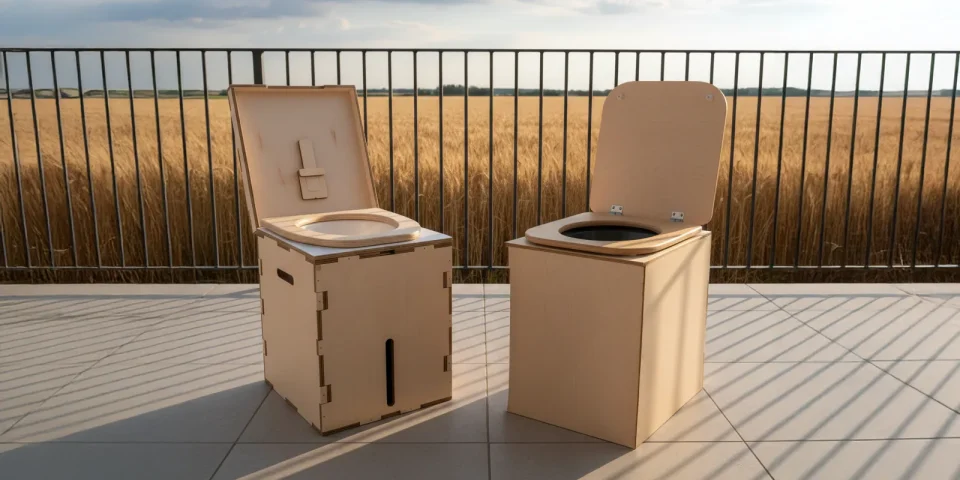
Composting toilets: a sustainable way to dispose of waste
In a world where topics such as environmental protection and sustainability are becoming increasingly important, composting toilets offer an innovative and environmentally friendly solution. They go far beyond the function of a conventional toilet by separating and reusing waste products to conserve resources. This also makes water, one of the most valuable resources on our planet, significantly more efficient to use. This technology not only offers considerable environmental benefits but also practical advantages for users.
How does a composting toilet work?
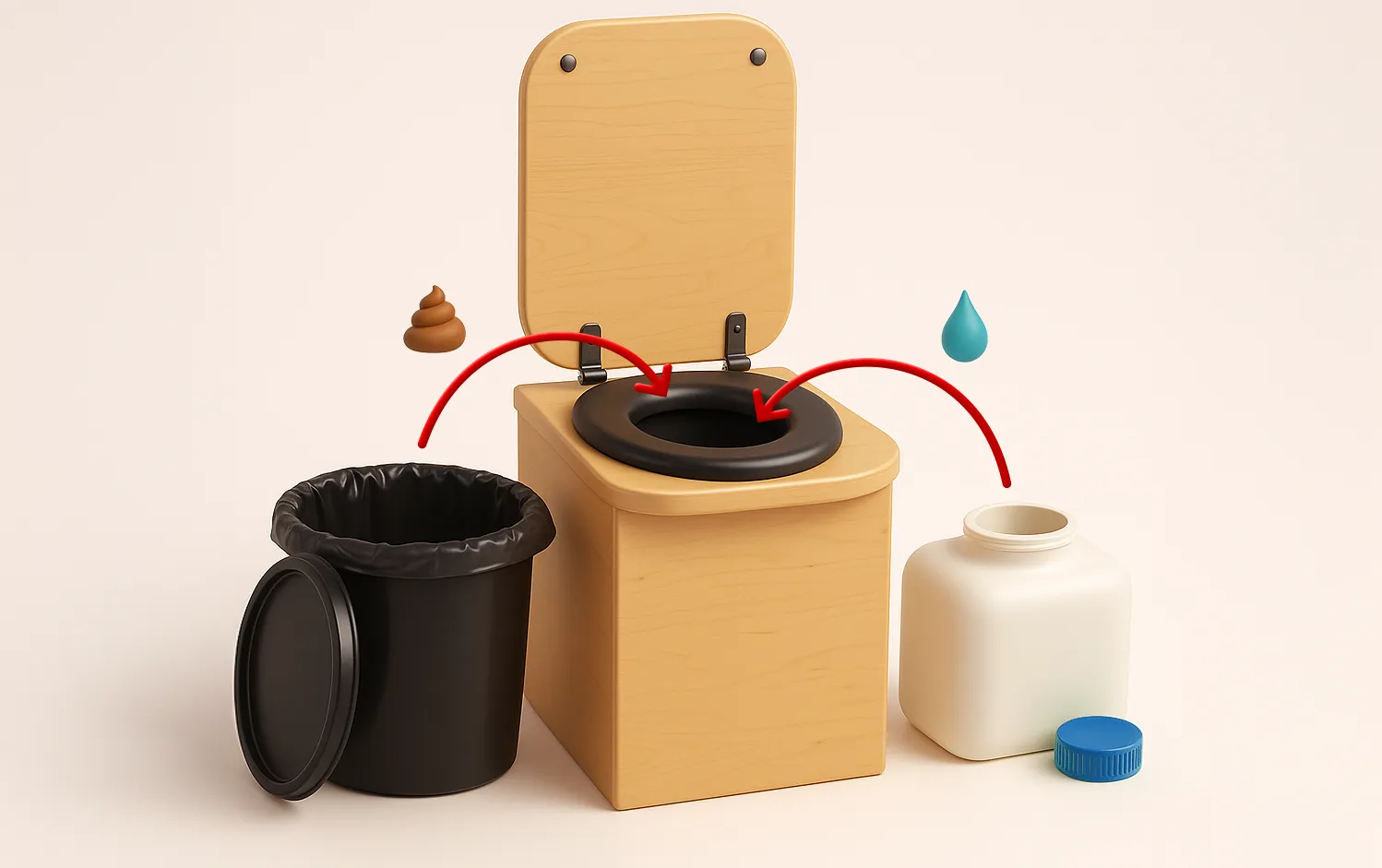
The principle behind a composting toilet is simple but effective. It separates liquid and solid human waste into two separate containers. This eliminates the need for flushing, which in conventional toilets often consumes a significant amount of clean drinking water. The separately collected urine can be reused as a natural fertilizer, as it is rich in nitrogen, phosphorus and potassium. The solid waste can be composted and used as a nutrient-rich soil conditioner. In this way, a composting toilet enables an efficient and sustainable approach to waste disposal.
Benefits of composting toilets for environmental protection
Composting toilets make an important contribution to environmental protection. By eliminating water flushing and enabling the reuse of waste products, they help conserve water resources and minimize the amount of wastewater that needs to be treated. They also reduce the burden on wastewater treatment plants and prevent nutrients from entering wastewater, where they can contribute to the eutrophication of bodies of water. Using composting toilets can therefore help reduce the negative impact on the ecological balance of our waterways.
Composting toilets and the future of sanitation infrastructure
In view of the challenges associated with water scarcity and environmental pollution, composting toilets offer a future-oriented solution. They could play an important role in areas with limited access to water by providing a safe and hygienic sanitation solution that also uses very little water. In addition, the effective reuse of human waste products can contribute to resource efficiency and reduce dependence on artificial fertilizers.
Conclusion
Composting toilets represent a revolutionary approach to sanitation infrastructure. They are a shining example of how innovative technologies and a willingness to embrace change can enable us to make a significant contribution to environmental protection and resource efficiency.